Hydraulic gear pumps convert rotational mechanical power into hydraulic fluid power. Understanding volumetric efficiency, fluid shear friction, noise damping, and preventive maintenance ensures long-term pump performance in mobile machinery.
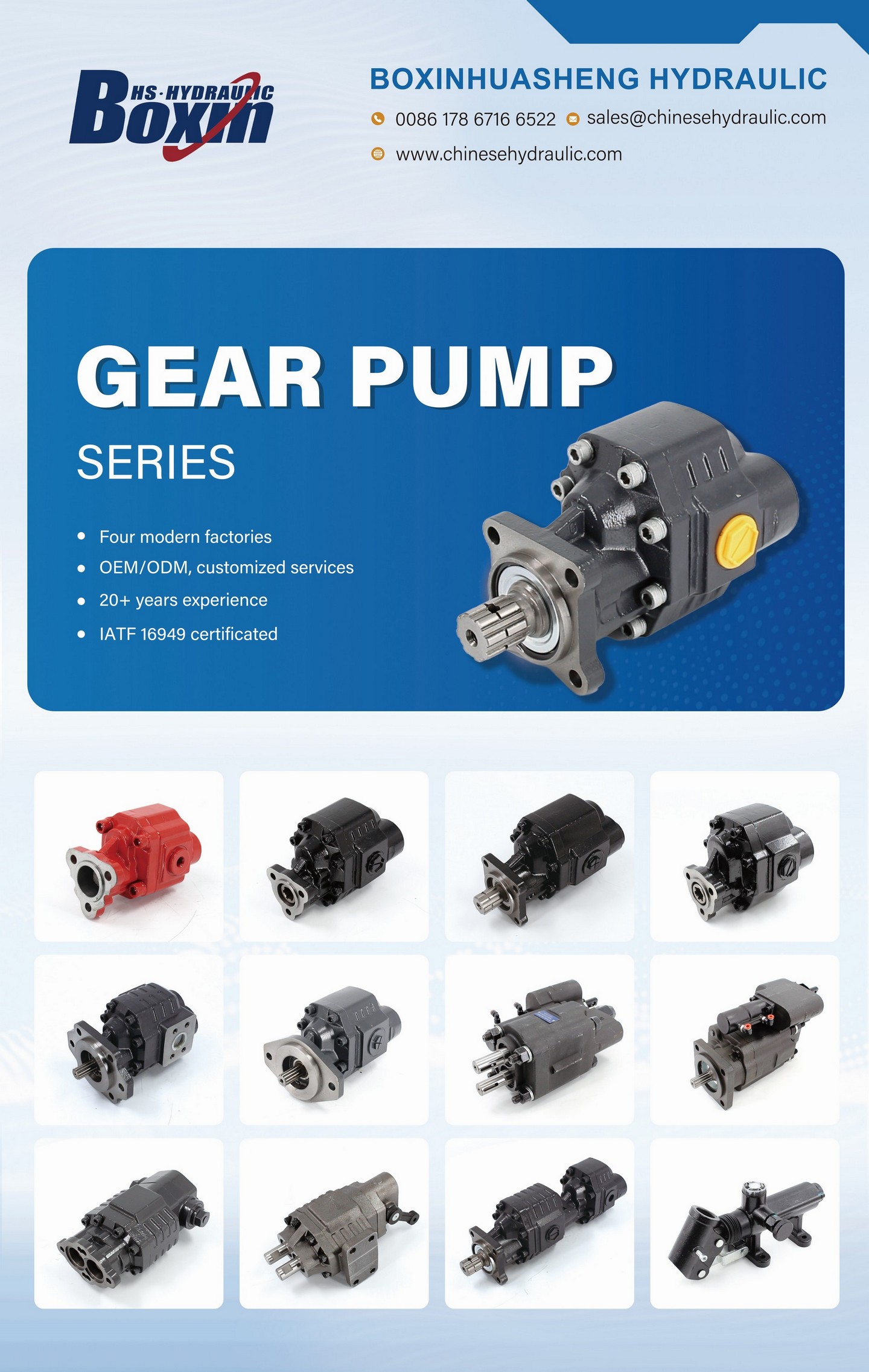
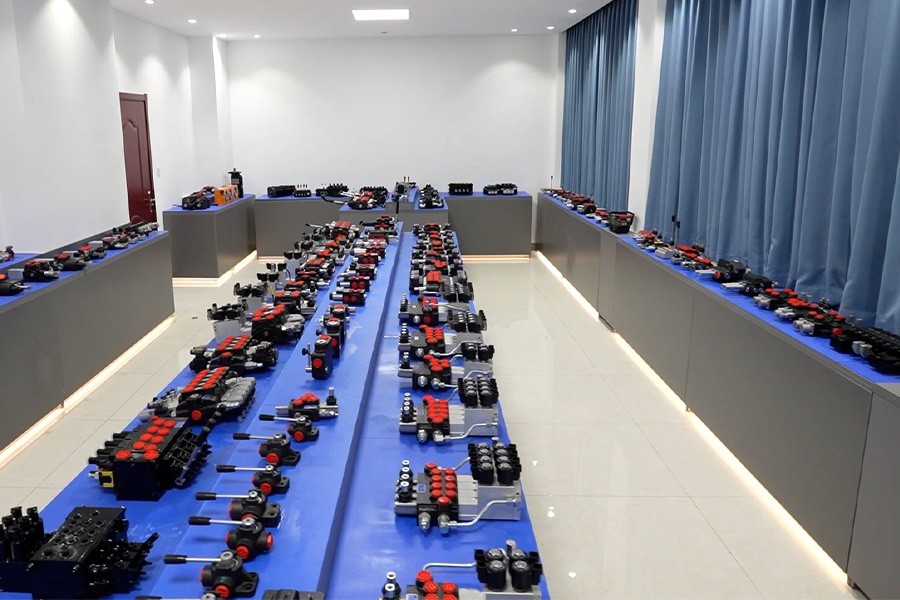
Figure 1: High-pressure external gear pumps and axial piston pumps manufactured by Boxinhuasheng Hydraulic Technology.
1. Mechanics of External Gear Pumps
External gear pumps use two meshing gears (a drive gear connected to the input shaft and a driven gear) enclosed within a close-tolerance cast iron or aluminum housing. As the gears rotate, fluid enters the suction pocket, is trapped between the gear teeth and the housing bore, and is carried around the outer perimeter to the high-pressure outlet chamber. The gears rotate, creating a volume expansion at the inlet to draw fluid in, and a volume contraction at the outlet to push fluid out.
2. Volumetric, Mechanical, and Total Efficiency
The overall efficiency of a gear pump is the product of its volumetric and mechanical efficiencies:
- Volumetric Efficiency (η_v): Evaluates internal bypass leakage (slippage) from the high-pressure outlet back to the low-pressure inlet. Calculated as:
η_v = Q_actual / Q_theoreticalSlippage increases with operating pressure and fluid temperature. High-quality gear pumps maintain a volumetric efficiency of 88% to 94% using pressure-loaded side thrust plates. - Mechanical Efficiency (η_m): Measures energy losses due to mechanical friction in bearings, gears, and oil shear. Volumetric efficiency and mechanical efficiency must be balanced; tighter clearances improve volumetric efficiency but increase friction and reduce mechanical efficiency.
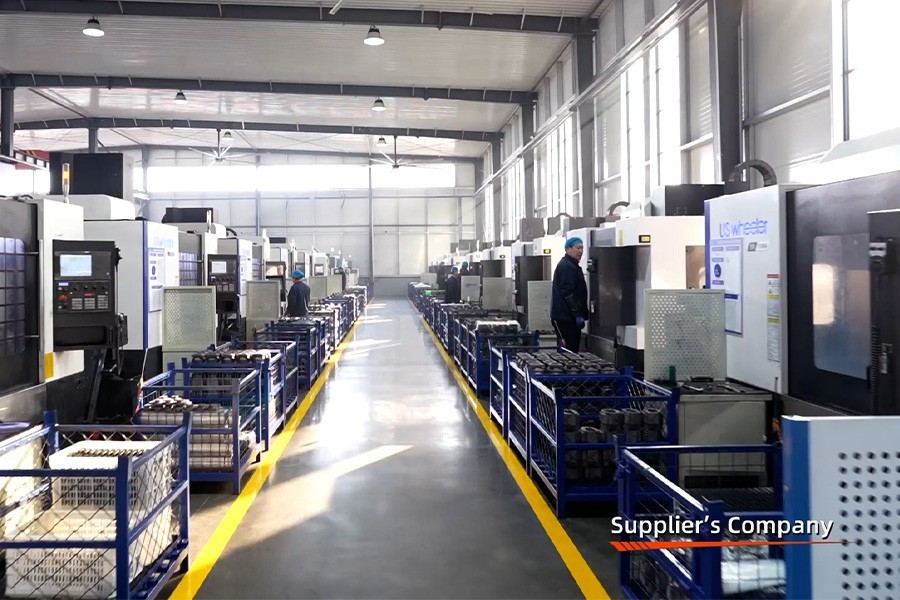
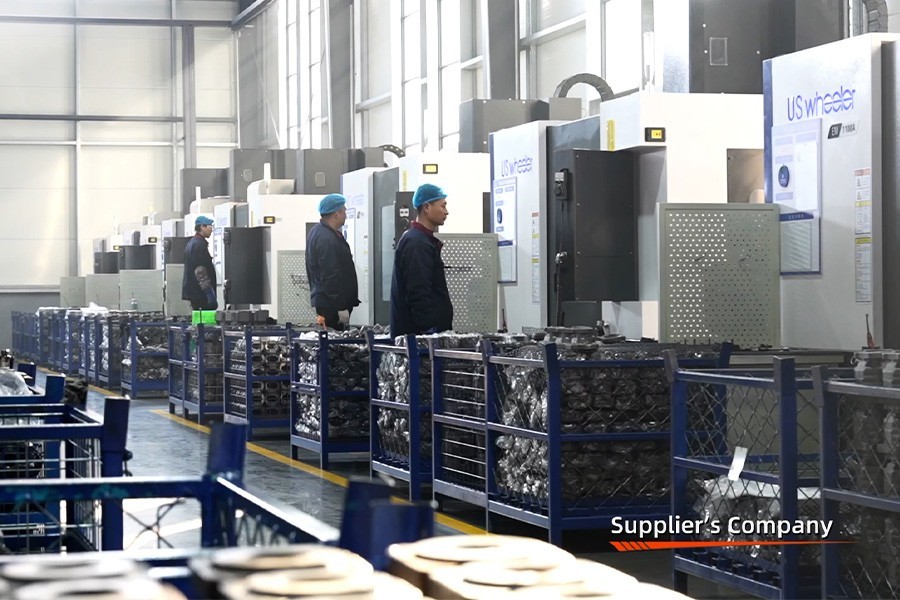
Figure 2: Precision CNC gear hobbing and automated volumetric testing for hydraulic pumps at Boxinhuasheng plant.
3. Noise Damping and Cavitation Control
Gear pumps can generate noise due to pressure trapping at the gear mesh point, fluid cavitation, and structural vibration. Modern designs incorporate radial and axial relief grooves in the thrust plates to release trapped fluid before it undergoes compression spikes. To prevent cavitation, inlet line fluid velocities must be maintained under 1.2 m/s, and oil viscosity must remain within 15 to 100 cSt under working temperatures.
4. Boxinhuasheng Gear Pump Manufacturing Strength
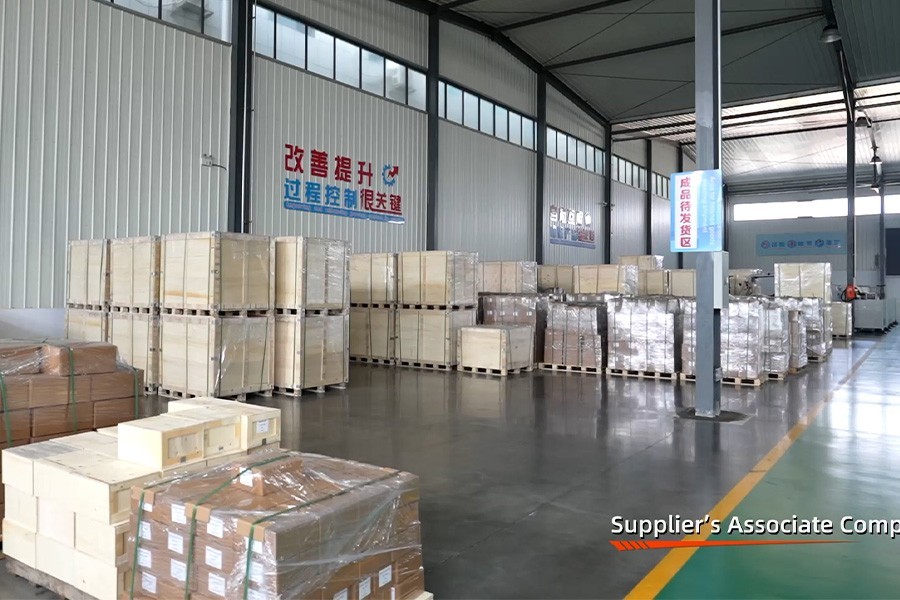
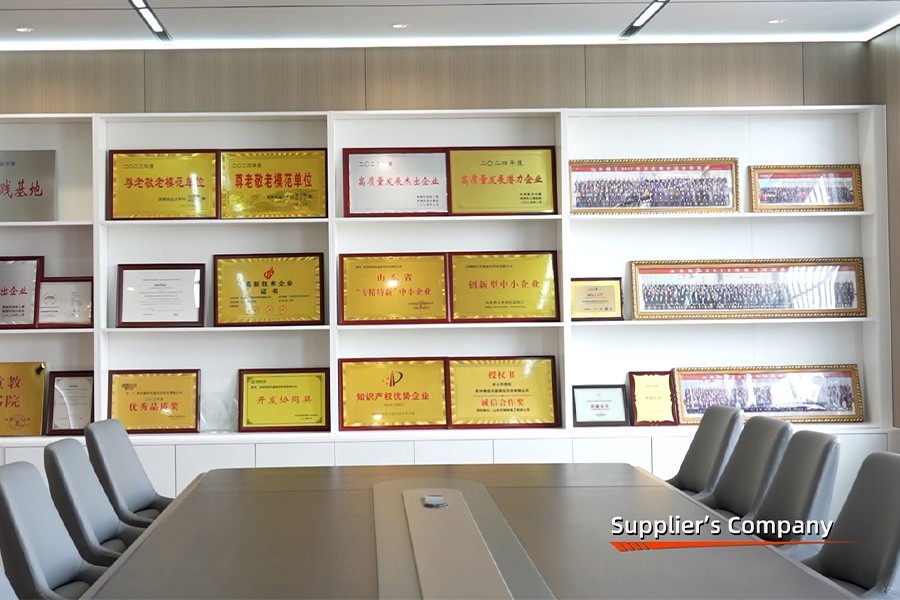
At Boxinhuasheng, gear pump production leverages IATF 16949 automotive standards and 25+ years of precision engineering. Our 68,000 m² campus in Qingzhou, China is equipped with 260+ advanced CNC machining assets, permitting in-house gear grinding, carburization heat treatment, and diamond honing. 100% of gear pumps undergo dynamic workload simulation tests, checking flow rate, volumetric efficiency, and pressure holding before shipping to OEMs in 80+ countries.