Introduction
In specialized heavy mobile machinery—such as mobile cranes, aerial work platforms, forestry harvesters, drilling rigs, and heavy excavators—hydraulic control requirements extend beyond basic cylinder actuation. These complex machinery platforms demand modular circuit flexibility, multi-function electro-proportional control, individual work port pressure limiting, and the ability to field-reconfigure valve stacks without replacing complete valve manifolds.
For these demanding engineering requirements, hydraulic sectional directional control valves (also known as modular valves) represent the premier fluid power routing architecture. Composed of discrete inlet, working, and outlet sections bolted together with high-tensile tie-rods, sectional valves allow OEM equipment builders to assemble customized, multi-function control manifolds tailored to complex machine duties.
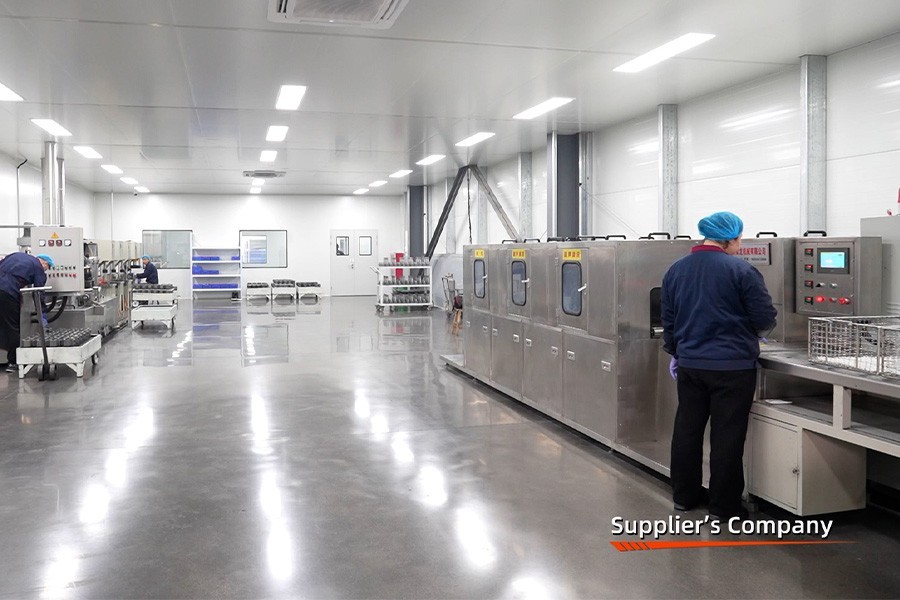
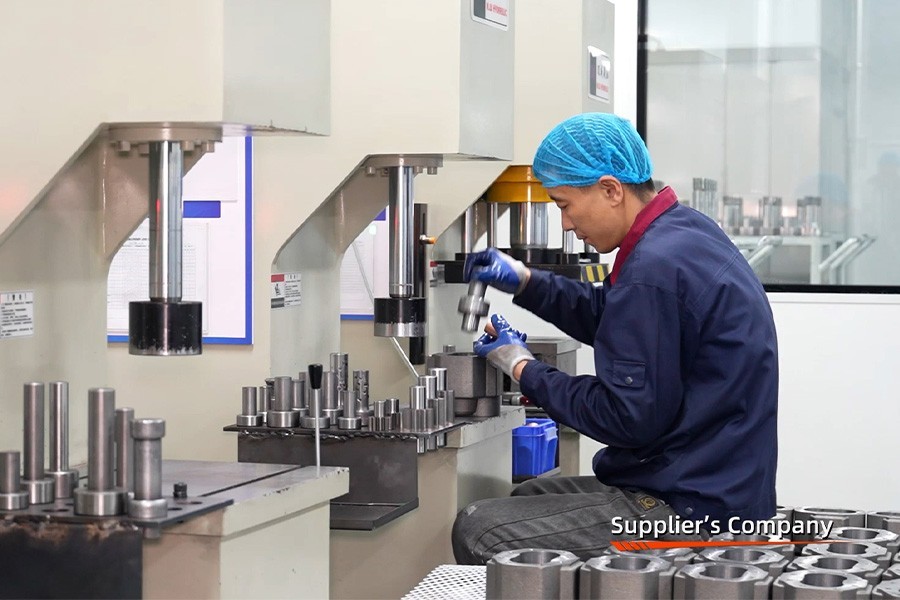
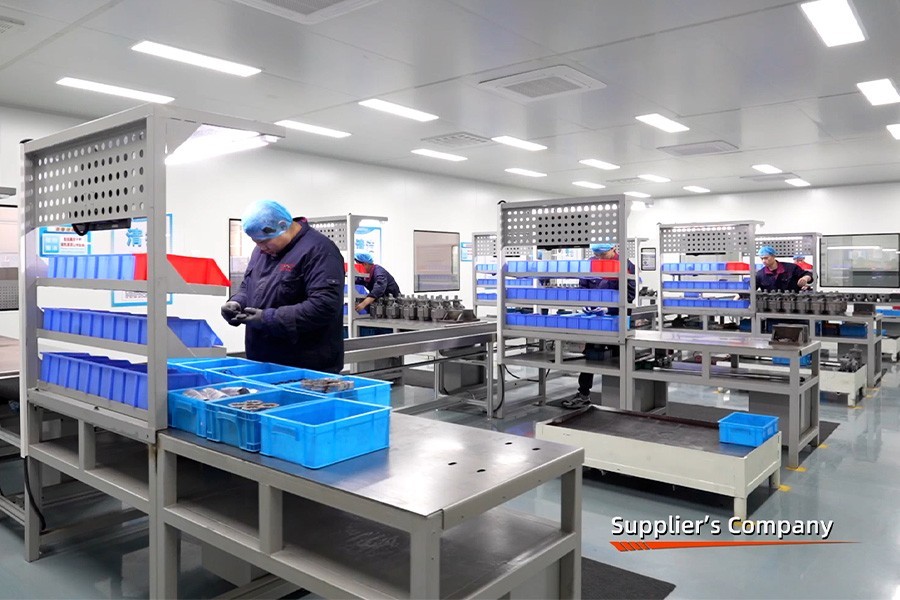
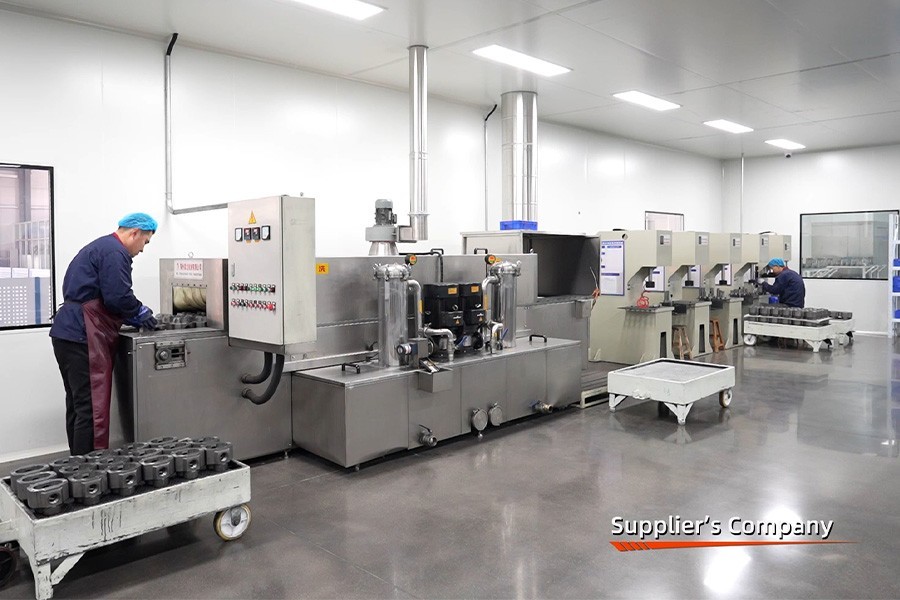
At Boxinhuasheng Hydraulic Technology Co., Ltd., sectional directional control valve engineering represents an established technical capability. Operating from our 68,000 m² campus in Qingzhou, China, Boxinhuasheng brings over 25 years of specialized valve production expertise. Supported by 35 senior hydraulic engineers, 260+ advanced CNC machines, 30+ testing benches, and IATF 16949 quality certification, we supply high-pressure sectional valves to equipment builders in 80+ countries.
This article details the structural design, key operational advantages, primary machinery applications, and OEM selection guidelines for hydraulic sectional valves.
Anatomy of a Modular Sectional Valve Stack
Unlike single-body monoblock valves, a sectional directional control valve is a modular assembly comprising three distinct functional block types:
                  ┌────────────────────────────────────────────────────────┐
                  │          MODULAR SECTIONAL VALVE STACK ARCHITECTURE    │
                  └───────────────────────────┬────────────────────────────┘
                                              │
         ┌──────────────────────────────┬─────┴────────────────────────┬──────────────────────────────┐
         ▼                              ▼                              ▼                              ▼
┌──────────────────┐          ┌──────────────────┐           ┌──────────────────┐           ┌──────────────────┐
│ Inlet Cover      │          │ Modular Working  │           │ Intermediate Flow│           │ Outlet Cover     │
│ Section (P & T)  │          │ Sections (1-12)  │           │ Divider Sections │           │ Section (Carry-over)
└──────────────────┘ └──────────────────┘ └──────────────────┘ └──────────────────┘- Inlet Cover Section: Houses the main system pressure inlet port (P), primary tank return port (T), and main pressure relief valve (MRV). Optional pilot supply pressure reducing valves can be integrated for electro-hydraulic pilot systems.
- Modular Working Sections: Individual valve blocks (ranging from 1 to 12 working sections per stack) containing precision sliding spools, load-check valves, port relief valves, and anti-cavitation cartridges.
- Intermediate Sections: Specialized divider or inlet sections inserted mid-stack to accept secondary pump inputs or separate internal oil supply channels into dual independent pressure circuits.
- Outlet Cover Section: Finalizes the valve stack, directing tank return oil back to the reservoir. Can feature Power Beyond (HPCO - High Pressure Carry Over) ports to feed downstream valve manifolds.
Four Engineering Advantages of Sectional Valve Architecture
OEM machinery designers select sectional valves over monoblock alternatives when machine complexity demands modular versatility:
+-------------------------------------------------------------------------+
|                  SECTIONAL VALVE ADVANTAGES MATRIX                      |
+--------------------------+----------------------------------------------+
| Advantage Dimension      | Engineering Benefit for OEM Machinery        |
+--------------------------+----------------------------------------------+
| 1. Infinite Circuit      | Combine manual, pneumatic, and electro-      |
|    Flexibility           | proportional working sections in one stack  |
| 2. Individual Section    | Each work section can house custom port      |
|    Customization         | relief valves set to distinct pressures      |
| 3. Rapid Field Service & | Replace or add an individual damaged work    |
|    Upgradability         | section without replacing the entire manifold|
| 4. Dual-Pump & Flow      | Integrate intermediate inlet blocks to combine|
|    Merger Capability     | or split flows from multiple hydraulic pumps |
+--------------------------+----------------------------------------------+
Primary Industrial and Mobile Machinery Applications
Sectional directional control valves are specified across heavy mobile equipment sectors where multi-actuator precision and remote electronic control are required:
#### 1. Mobile Cranes and Boom Lifts
- Application Requirements: Simultaneous, smooth control over boom hoist, telescopic extension, swing turret rotation, and winch drum rotation.
- Sectional Advantage: Electro-proportional working sections provide precise micro-metering for delicate load positioning, while individual work port relief valves prevent structural boom overloading.
#### 2. Forestry Harvesters and Tree Cutters
- Application Requirements: High flow rates (up to 200 L/min), rapid spool shifting, and extreme shock resistance under continuous duty cycles.
- Sectional Advantage: Heavy-duty ductile iron working sections withstand pressure spikes up to 35 MPa, while integrated anti-cavitation valves prevent vacuum formation during rapid implement drop.
#### 3. Drilling Rigs and Mining Machinery
- Application Requirements: Complex multi-circuit hydraulics combining high-torque drill motor rotation with fine feed cylinder positioning.
- Sectional Advantage: Intermediate flow-divider sections allow two independent pumps to feed separate working sections during drilling, then merge flow for rapid rod extraction.
Manual, Hydraulic Pilot, and Electro-Proportional Actuation
Sectional valves accommodate hybrid actuation interfaces within the same physical valve stack:
Section 1 (Winch)     ──► Manual Lever Actuation (Tactile operator feel)
Section 2 (Boom Hoist) ──► Hydraulic Pilot Actuation (Low cab lever force)
Section 3 (Telescope) ──► Electro-Proportional PWM Solenoid (CAN-bus joystick control)- Electro-Proportional Solenoid Control: Solenoid-operated pilot valves apply proportional hydraulic pressure (1.5 to 3.0 MPa) to spool end-caps. Controlled via 12V/24V Pulse Width Modulation (PWM) signals, these sections integrate directly with machine microcontrollers, enabling automated boom levelling, telematics integration, and remote wireless operation.
OEM Sourcing Guidelines for Sectional Valve Stacks
When specifying modular sectional valves for heavy equipment development, OEM engineering teams should adhere to three critical sizing criteria:
- Verify Sectional Interface O-Ring Integrity: Ensure inter-section sealing faces utilize high-grade NBR or FKM O-rings with anti-extrusion backup rings to prevent section joint leaks under pressure spikes.
- Tie-Rod Torque Control: Tie-rods securing the valve stack must be torqued to precise engineering limits using calibrated digital nut-runners to prevent housing distortion and spool binding.
- Audit Supplier Machining & Testing Rigor: Spool bores must be vertical diamond-honed to a cylindricity within 0.002 mm (2 microns). 100% of assembled sectional stacks must undergo workload simulation testing across 100% of working sections (Boxinhuasheng tests 100% on 30+ test benches).
Conclusion
Hydraulic sectional valves provide the modular flexibility, multi-circuit capability, and electro-proportional control required by modern heavy mobile machinery. By combining customizable working sections into a unified valve stack, equipment builders achieve precise multi-actuator control and long-term operating durability.
Boxinhuasheng Hydraulic Technology Co., Ltd. brings 25+ years of hydraulic manufacturing expertise, 35 senior engineers, 1.5 million units annual capacity, IATF 16949 quality certification, and SGS factory verification to support global equipment OEMs.
To configure a custom sectional valve stack, download 3D CAD drawings, or request OEM technical pricing, visit www.chinesehydraulic.com.