Choosing between monoblock directional control valves and sectional modular valves is one of the most critical decisions for mobile equipment architects. This technical guide evaluates structural integrity, fluid dynamics, modular flexibility, and OEM cost-per-bar economics.
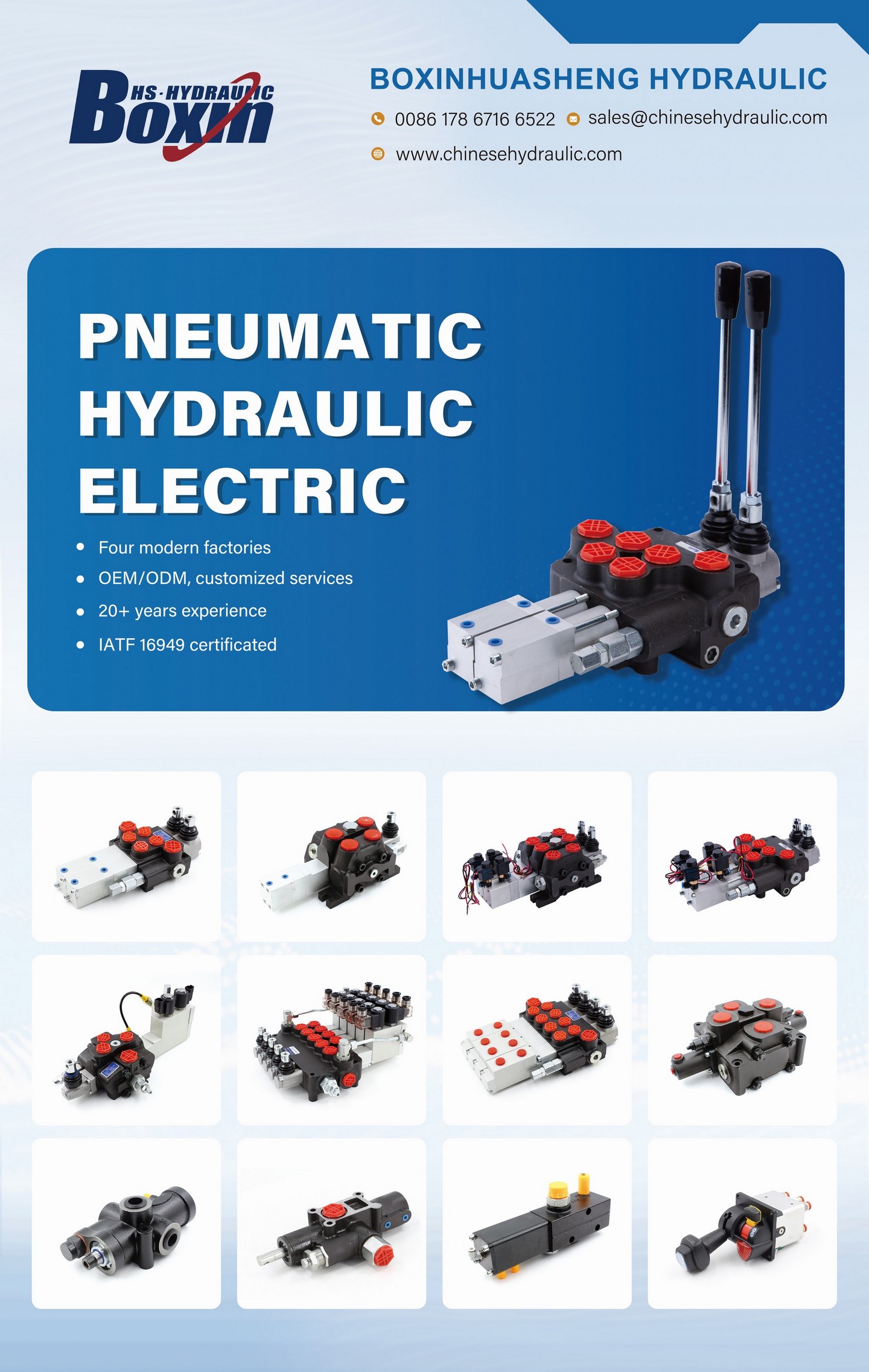
Figure 1: Modular sectional directional control valve stack featuring electro-proportional pilot solenoids and manual levers.
1. Housing Construction & Mechanical Integrity
The primary difference between monoblock and sectional valves lies in their physical construction:
- Monoblock Valves: The entire valve housing is cast as a single solid block of high-tensile QT500-7 ductile iron. The internal galleries are machined in one setup. This design eliminates all mid-section joints and tie-rod stress paths, guaranteeing zero external leakage even under high pressure spikes. It is highly resistant to physical abuse and rough operating environments.
- Sectional Valves: Built as a modular stack consisting of an inlet cover, individual working sections (1 to 12 segments), and an outlet cover, held together by high-tensile tie-rods. Seals (O-rings) between sections seal the transition galleries. While highly flexible, they are susceptible to installation twist, tie-rod stretching under pressure spikes, and inter-section joint leaks if mounting bolt torques are not maintained.
2. Dynamic Pressure Drop and Flow Efficiency
Monoblock valves feature direct, short internal casting galleries, minimizing fluid friction and yielding lower pressure drops (ΔP). Sectional valves have transitions at each joint boundary, creating localized turbulence and slightly higher pressure drops at high flow velocities. In applications requiring high duty cycles and constant flow (e.g. marine winches, continuous machinery), the monoblock design provides higher thermal efficiency and reduces fuel consumption.
| Engineering Criterion | Monoblock Valves (P40, P80) | Sectional Valves (Z50, Z80) |
|---|---|---|
| Leakage Risk | Zero external leaks (no joint faces) | Moderate (requires inter-section O-rings) |
| Modular Flexibility | Fixed (1 to 7 spools, cannot expand) | High (can add or replace sections) |
| Auxiliary Valves | Limited (main relief and check valves) | Rich (port relief, anti-cavitation, LS) |
| OEM Cost-per-Spool | Highly economical (standard high-volume) | Higher (complex assembly and testing) |
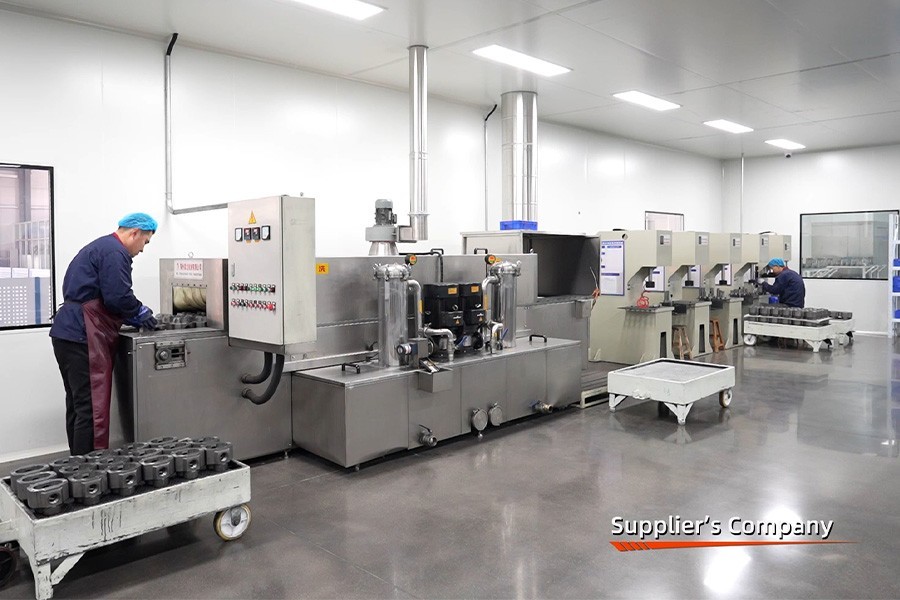
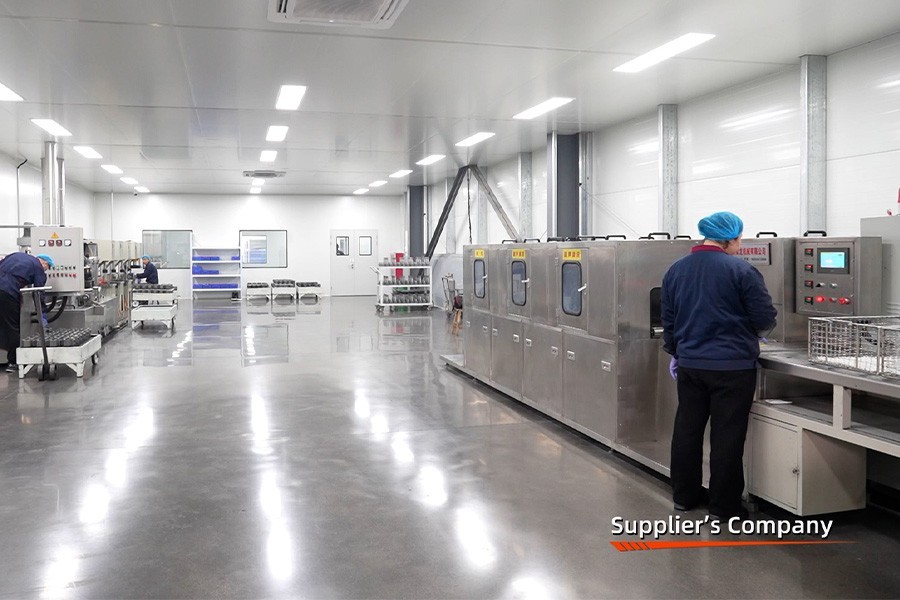
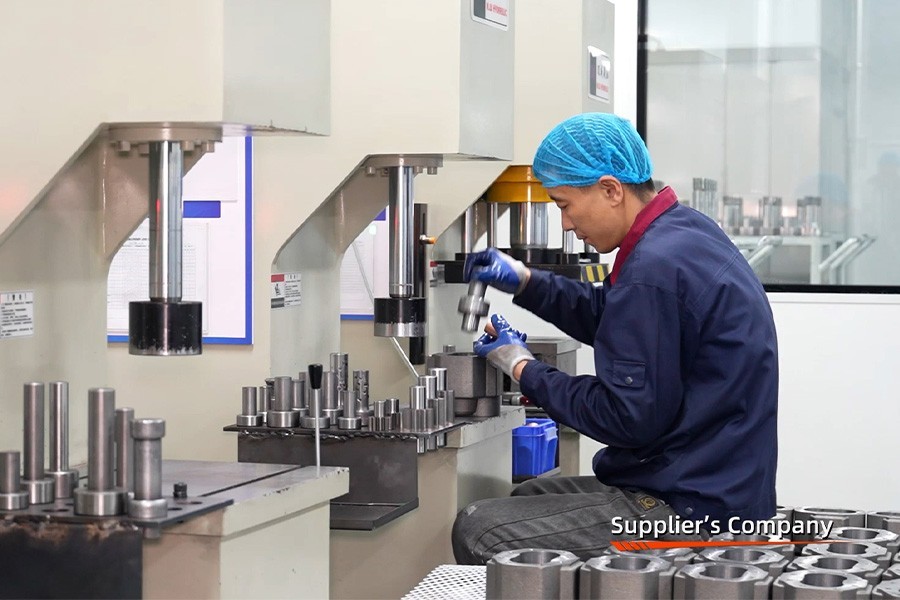
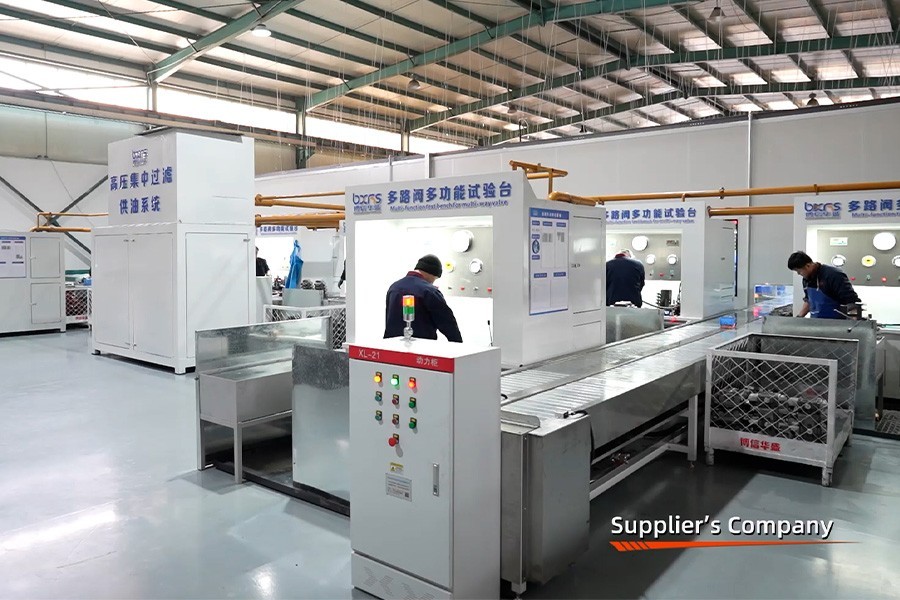
Figure 2: Sectional valve assembly line operating under IATF 16949 quality procedures at Boxinhuasheng's 68,000m² facility.
3. Application Matching: Selecting the Right Architecture
Selecting the correct type depends on the equipment's operational complexity:
- When to Select Monoblock: Standardized, cost-sensitive, high-volume machinery with simple hydraulic tasks. Examples include farm tractors, truck tippers, agricultural loaders, and simple wood splitters.
- When to Select Sectional: Complex heavy machinery requiring custom function matching per spool, independent pressure limits, load-sensing flow sharing, and post-compensated galleries. Examples include truck-mounted cranes, municipal refuse packers, forestry machinery, and mining drill rigs.
4. Boxinhuasheng Manufacturing Quality and Global Sourcing
Established in 2001, Boxinhuasheng Hydraulic Technology Co., Ltd. operates four modern manufacturing facilities over a 68,000 m² campus. Equipped with 260+ advanced CNC machines, our senior engineers design and test both monoblock and sectional valves to the highest standards. 100% of manufactured valves are tested for proof pressure and internal spool leakage prior to packaging, ensuring reliable operation for global OEMs across 80+ countries.